Мобильный шиномонтаж с выездом in 2024: what's changed and what works
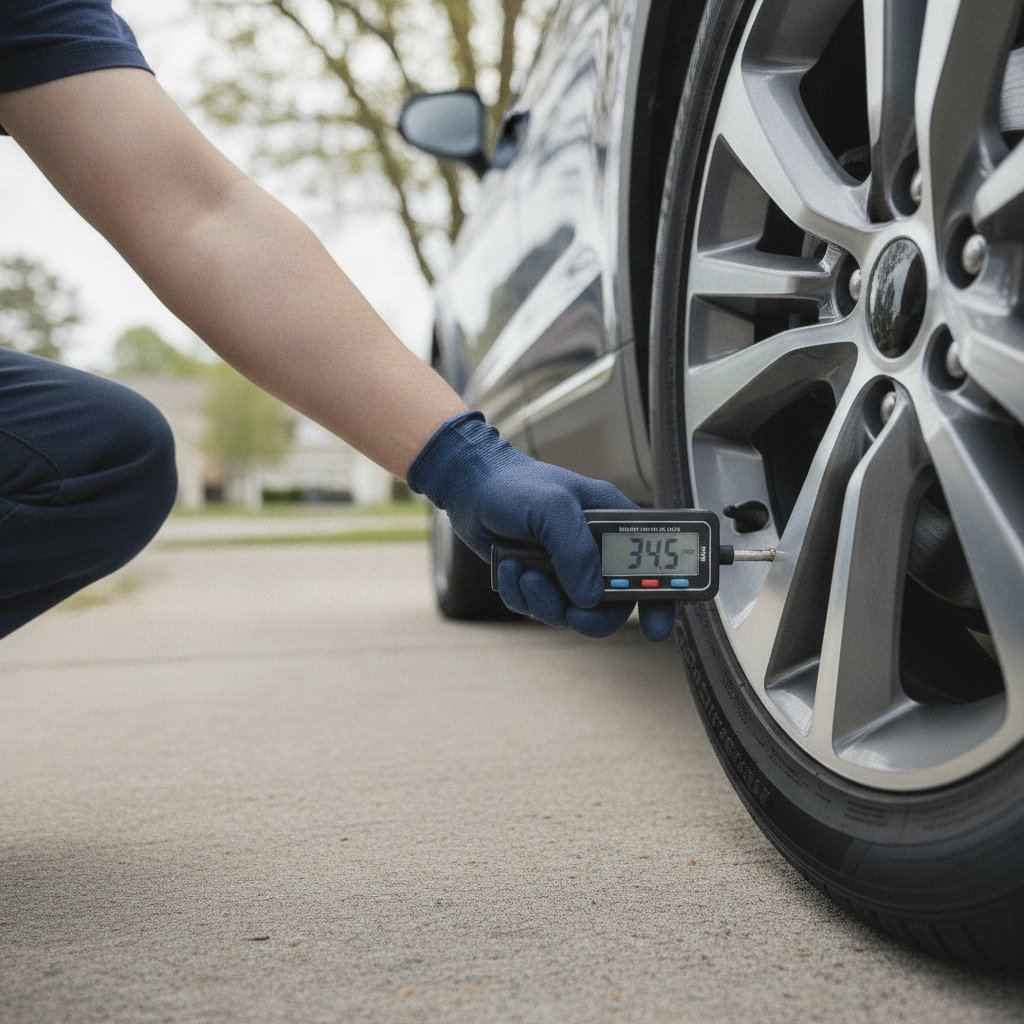
Mobile tire services have exploded in popularity, and 2024 has brought some fascinating changes to this industry. From pricing shifts to tech upgrades, the on-site tire game isn't what it used to be. Let's break down what's actually working right now and what's fallen flat.
1. Dynamic Pricing Has Become the Standard
Forget the old flat-rate days. Most mobile tire operations now adjust their prices based on distance, time of day, and even weather conditions. A basic tire change that cost $25 per wheel in 2022 now ranges from $30 to $50 depending on when you book. Rush hour callouts? Add another 20-30% to that bill.
The smart operators use software that calculates routes automatically and quotes accordingly. This means you might pay $120 for a full tire swap at 2 PM on Tuesday, but the same service at 8 AM Monday could run you $160. Transparency matters here—the services that show you exactly why they're charging what they charge get way better reviews than those playing guessing games with customers.
2. Payment Processing Went Fully Digital (Finally)
Cash payments have dropped to less than 15% of transactions in this space. Every mobile tech worth their salt now carries a tablet or phone with instant payment processing. Apple Pay, Google Pay, Venmo—if it exists, they take it.
This shift solved the awkward "I need to find an ATM" conversation that used to plague mobile services. Response times improved too, since techs aren't making bank runs between jobs. Some operations even started offering split payments for corporate fleet vehicles, letting companies pay directly while drivers handle tips separately.
3. The Equipment Got Lighter and Faster
The portable tire changers hitting the market in 2024 weigh 40% less than 2020 models while working twice as fast. We're talking about machines that fit in a standard van but can handle everything from a compact sedan to a light truck. The entire four-tire swap that used to take 45 minutes now clocks in at 25-30 minutes for experienced techs.
Battery technology deserves credit here. Modern cordless impact wrenches run for 8-10 hours on a single charge, and portable air compressors can inflate 20+ tires before needing a recharge. This means fewer delays, fewer excuses, and happier customers who aren't burning their lunch break waiting around.
4. Subscription Models Are Actually Catching On
Monthly tire care subscriptions sounded ridiculous two years ago. Now? They're generating steady revenue for mobile operators who figured out the formula. For $29-49 per month, customers get seasonal swaps, pressure checks, and emergency roadside tire service included.
The math works because most people only need 2-3 service calls per year, but the convenience factor sells itself. Families with multiple vehicles are the sweet spot—one subscription covering three cars at $75/month beats paying $400+ for ad-hoc services throughout the year. The retention rate sits around 68% after the first year, which is solid for any subscription business.
5. Integration with Roadside Assistance Programs Exploded
Insurance companies and auto clubs finally realized that partnering with mobile tire services costs them less than towing vehicles to shops. AAA, USAA, and several major insurers now have preferred mobile provider networks that handle tire emergencies directly.
For mobile operators, these partnerships mean guaranteed volume but tighter margins—typically $15-20 less per service than retail customers pay. The tradeoff? Consistent work flow and payment within 48 hours instead of chasing individual invoices. About 35% of mobile tire revenue now flows through these partnership channels, up from maybe 10% in 2022.
6. Specialized Niche Services Are Printing Money
Generic tire changes are becoming commoditized, but specialized services are thriving. Mobile techs who focus exclusively on RVs, commercial trucks, or luxury vehicles charge 50-100% premiums and stay booked solid. An RV tire service call runs $200-300 minimum because the equipment requirements and expertise are completely different.
The luxury car angle works particularly well in affluent areas. Tesla owners, high-end BMW and Mercedes drivers—they'll pay $180 for someone to come to their office parking garage rather than deal with a traditional shop. The equipment investment is higher (you need specific tools for run-flat tires and TPMS systems), but you're competing with three other providers instead of thirty.
7. Customer Communication Became Non-Negotiable
The days of "I'll be there between 10 and 2" are dead. Customers expect real-time GPS tracking, 15-minute arrival warnings, and photo documentation of the work performed. Services using automated text updates report 90% fewer "where are you?" calls and significantly higher ratings.
The photo thing matters more than you'd think. Techs snap pictures of tire tread depth, any damage found, and the completed work. These get texted directly to customers, creating a paper trail that prevents disputes and builds trust. It takes an extra three minutes per job but cuts complaint calls by more than half.
Mobile tire services aren't revolutionary anymore—they're expected. The operators winning in 2024 are those who've embraced the tech, streamlined their operations, and stopped pretending they're competing on price alone. Speed, convenience, and transparency matter more than saving ten bucks, and the market's finally figured that out.