The real cost of Мобильный шиномонтаж с выездом: hidden expenses revealed
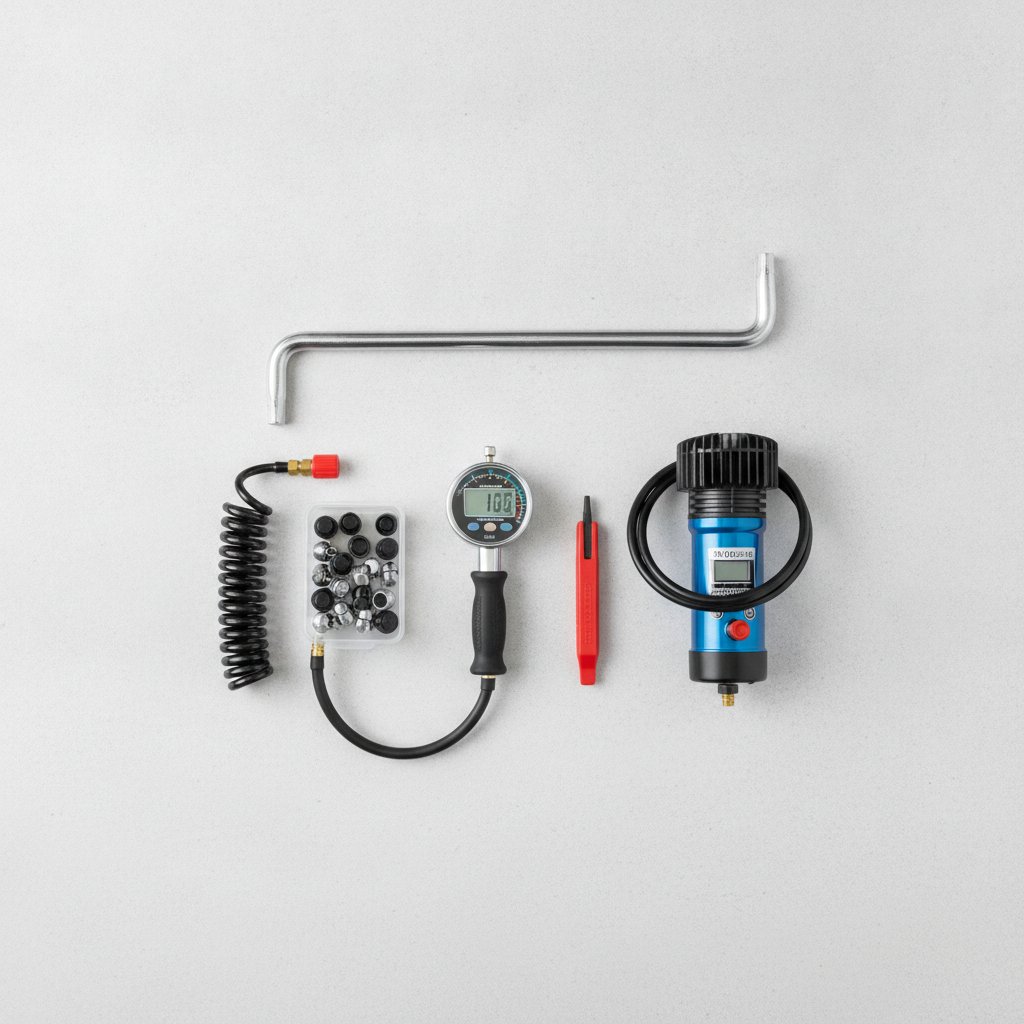
The $85 Tire Change That Actually Cost Me $240
Last winter, I stood in my driveway watching a mobile tire service van pull up, feeling pretty smug about my life choices. No driving to the shop, no waiting room coffee that tastes like despair, no awkward small talk with other customers. The guy quoted me $85 over the phone for a full tire swap. Easy money saved, right?
Wrong. So incredibly wrong.
By the time that van pulled away, I'd shelled out $240. And I'm not alone in this expensive surprise party. Mobile tire services—or as they're called in Russian markets, мобильный шиномонтаж с выездом—have exploded in popularity over the past five years. The convenience factor is undeniable, but the pricing structure? That's where things get murky.
How Mobile Tire Services Actually Make Their Money
Here's what most people don't realize: that initial quote you get on the phone is basically bait. Not in a scam way (usually), but in a "we can't possibly know what we'll find until we get there" way.
Traditional brick-and-mortar shops operate with transparent, posted prices. You walk in, you see the board, you know what you're paying. Mobile operators work differently. They're betting on the sunk cost fallacy—once their van is in your driveway, you're not sending them away over an extra $40.
The Base Rate Illusion
That $85 my guy quoted? Turned out that covered exactly four things: driving to my location, mounting four tires, balancing them, and driving away. Everything else—and I mean everything—cost extra.
Valve stems? $8 each, so $32 total. The shop charges $2. Disposal of old tires? Another $25. Wheel cleaning because there was brake dust? $35. The kicker: a "weekend service premium" of $40 that was never mentioned during our Wednesday phone call.
The Hidden Charges Nobody Tells You About
Travel Distance Fees
Most mobile services advertise a service radius—say, 15 miles. What they don't advertise clearly is that anything beyond 5-7 miles often triggers distance fees. We're talking $2-5 per mile. If you live in the suburbs and the operator is based downtown, do the math. That's an extra $30-50 before they've touched a single lug nut.
Time-Based Surcharges
Evening calls after 6 PM? Add 25%. Weekends? Another 20-30%. Emergency same-day service? Some operators charge up to 50% more. A colleague of mine paid $180 for a service that would've been $95 on a Tuesday afternoon, simply because his tire blew out on Saturday morning.
Equipment and Parts Markup
Mobile operators carry limited inventory, and they know you're trapped. Valve stems that cost $2 at a shop become $8-12. TPMS sensors? Expect to pay 40-60% more than retail. One operator told me off the record that parts markup covers about 35% of his actual profit margin.
The "Damage Discovery" Upcharge
This one's sneaky. The tech arrives, inspects your wheels, and suddenly discovers issues. Rim damage that needs correction. Corrosion that requires treatment. A bent valve that must be replaced for safety. Are these real problems? Sometimes. Are they always critical? That's debatable. But you're standing there in your driveway, and the appeal to safety is powerful.
What Industry Insiders Actually Say
I spoke with Marcus, who ran a mobile tire operation in the Pacific Northwest for six years before switching to a fixed location. His honesty was refreshing: "The business model only works if your average ticket is 60-80% higher than your quoted price. Otherwise, you're just burning gas and time."
He explained that mobile operations have brutal overhead costs people don't consider. Commercial van payments or leases, fuel costs that have roughly doubled since 2019, specialized portable equipment that costs $15,000-25,000, and insurance premiums that run 3-4 times higher than stationary shops.
"We're not trying to rip anyone off," Marcus said. "But if I quote you the real all-in price over the phone, you'll just drive to Costco."
When Mobile Service Actually Makes Financial Sense
Look, I'm not here to trash the entire industry. There are legitimate scenarios where paying that premium is absolutely worth it:
- You've got a flat tire and no spare—towing costs $125-200 anyway
- You're juggling kids and genuinely can't spend 90 minutes at a shop
- You own multiple vehicles and bundle the service
- You have mobility issues that make traditional shops difficult
The key is going in with eyes open. When you call, ask for the maximum possible price, not the minimum. Ask specifically about distance fees, time surcharges, disposal costs, and parts pricing. Get it in writing via text or email.
Key Takeaways
- Base quotes for mobile tire service typically increase by 50-150% once all fees are added
- Distance fees, time surcharges, and parts markup are the three biggest hidden costs
- Weekend and evening calls can add 45-80% to your final bill
- Always ask for maximum total cost upfront, including all potential fees and parts
- Mobile service makes financial sense mainly for emergencies or specific convenience needs
- Traditional shops are still 30-60% cheaper for routine tire changes when you factor in all costs
That $240 tire change taught me an expensive lesson about convenience pricing. I still use mobile services occasionally—but now I ask the right questions first. And I never, ever assume that initial quote is anywhere close to what I'll actually pay.